What Are You Looking For?


Alkaline water has become a popular health trend, with claims that it can do everything from improving hydration to managing chronic conditions like acid reflux. But is there solid evidence to back up these claims, or is it just another wellness fad? This article explores what alkaline water is, ho...
View More
For many expectant mothers, the joy of pregnancy is accompanied by an unwelcome companion: persistent heartburn. This burning sensation in the chest, along with indigestion and frequent burping, is one of the most common discomforts during pregnancy—particularly in the second and third trimes...
View More
When we think of acid reflux, heartburn and regurgitation usually come to mind. But for some people, the first or most bothersome signs of gastroesophageal reflux disease (GERD) appear somewhere far less expected: on the tongue. A sore or red tongue, a persistent burning feeling, numbness, tingling...
View More
For people living with gastroesophageal reflux disease (GERD), the relationship with physical activity can feel confusing. Some find that a good workout leaves them with heartburn or regurgitation, while others report that regular exercise actually reduces their symptoms. The scientific evidence su...
View More
For those with a sweet tooth, holiday seasons often bring a flood of chocolate treats—bars, truffles, and especially Easter eggs. Yet, what feels good on the tongue can later cause a burning sensation in the chest or throat. Chocolate overindulgence is a well‑recognised trigger for gastroesop...
View More
For millions of women entering menopause, hormone therapy (HT) can be a lifeline – relieving hot flushes, night sweats, and vaginal dryness. But a large new analysis suggests that relief may come with a hidden cost: a significantly increased risk of developing gastroesophageal reflux disease...
View More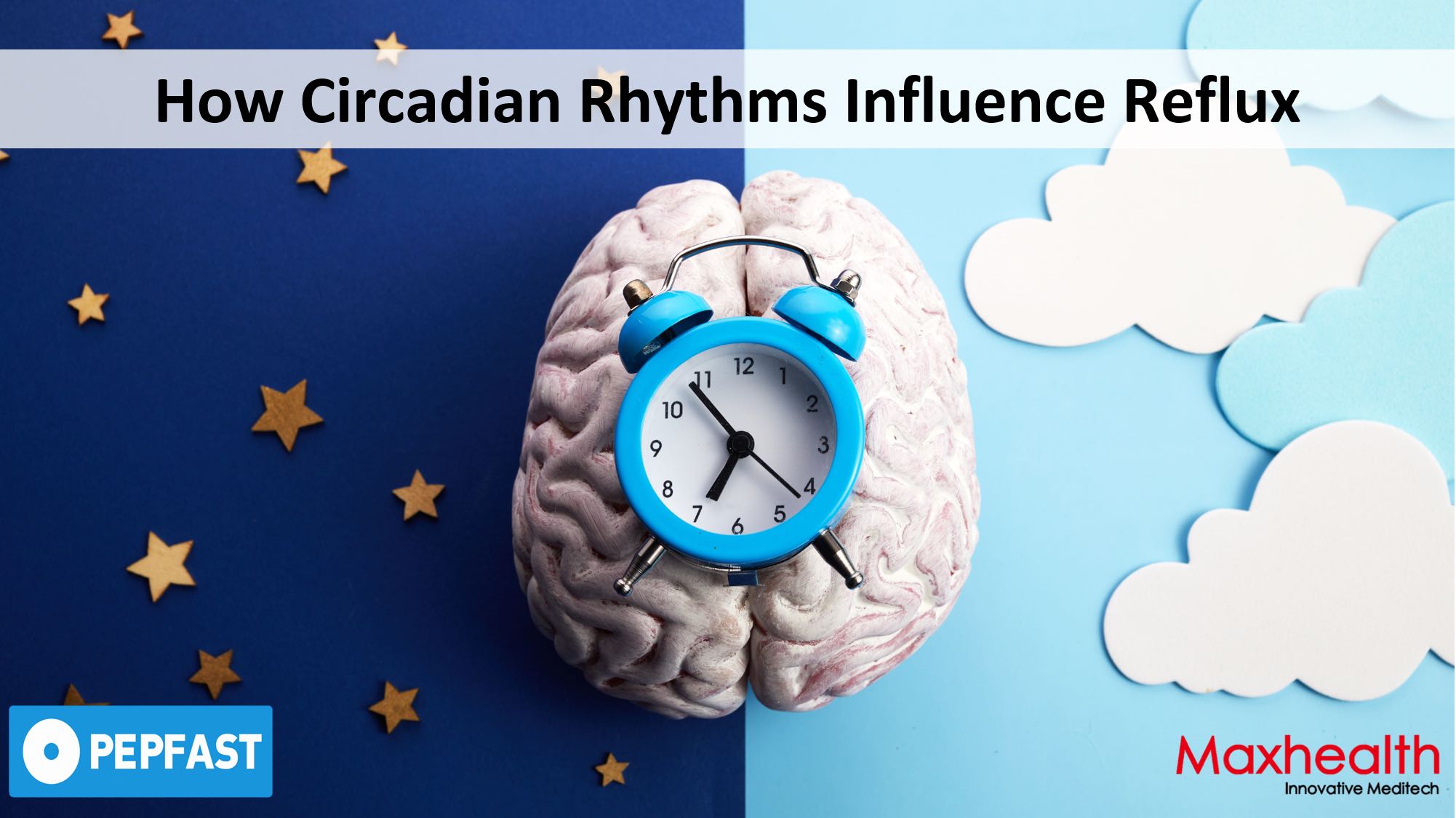
Have you ever noticed that your heartburn or regurgitation seems worse at night, or after a late shift? You are not imagining it. Your body’s internal clock – the circadian rhythm – does not just control when you feel sleepy or alert; it also profoundly affects your digestive syst...
View More
For years, clinicians have noticed that patients with gastroesophageal reflux disease (GERD) often also struggle with anxiety or depression. But is the relationship causal? Which comes first? A new retrospective study from a tertiary hospital in Chengdu, China, provides compelling evidence that&nbs...
View More
For millions of people living with gastroesophageal reflux disease (GERD), the familiar symptoms of heartburn and regurgitation are a daily burden. But a new large‑scale study from South Korea suggests that the impact of reflux may extend far beyond the digestive tract – potentially reaching...
View More
As we grow older, many of us notice more frequent heartburn, regurgitation, or a nagging throat irritation. While lifestyle factors and age‑related physical changes are often blamed, a groundbreaking 2025 study suggests that ageing and gastro‑oesophageal reflux disease (GERD) may share a deepe...
View More
Gastroesophageal reflux disease (GERD)—the chronic backflow of stomach contents into the oesophagus—is one of the most common digestive disorders worldwide. While its classic symptoms of heartburn and regurgitation are well known, an expanding body of evidence now suggests that GERD may...
View More
Laryngopharyngeal reflux (LPR), often called "silent reflux," is a challenging condition that affects the upper airway, causing persistent throat symptoms such as hoarseness, chronic cough, excess mucus, and a sensation of something stuck in the throat. Unlike typical acid reflux, which affects the...
View More


Copyright @ 2026 Maxhealth Innovative Meditech (Wuxi) Ltd All Rights Reserved.  Network Supported
Leave A Message