What Are You Looking For?

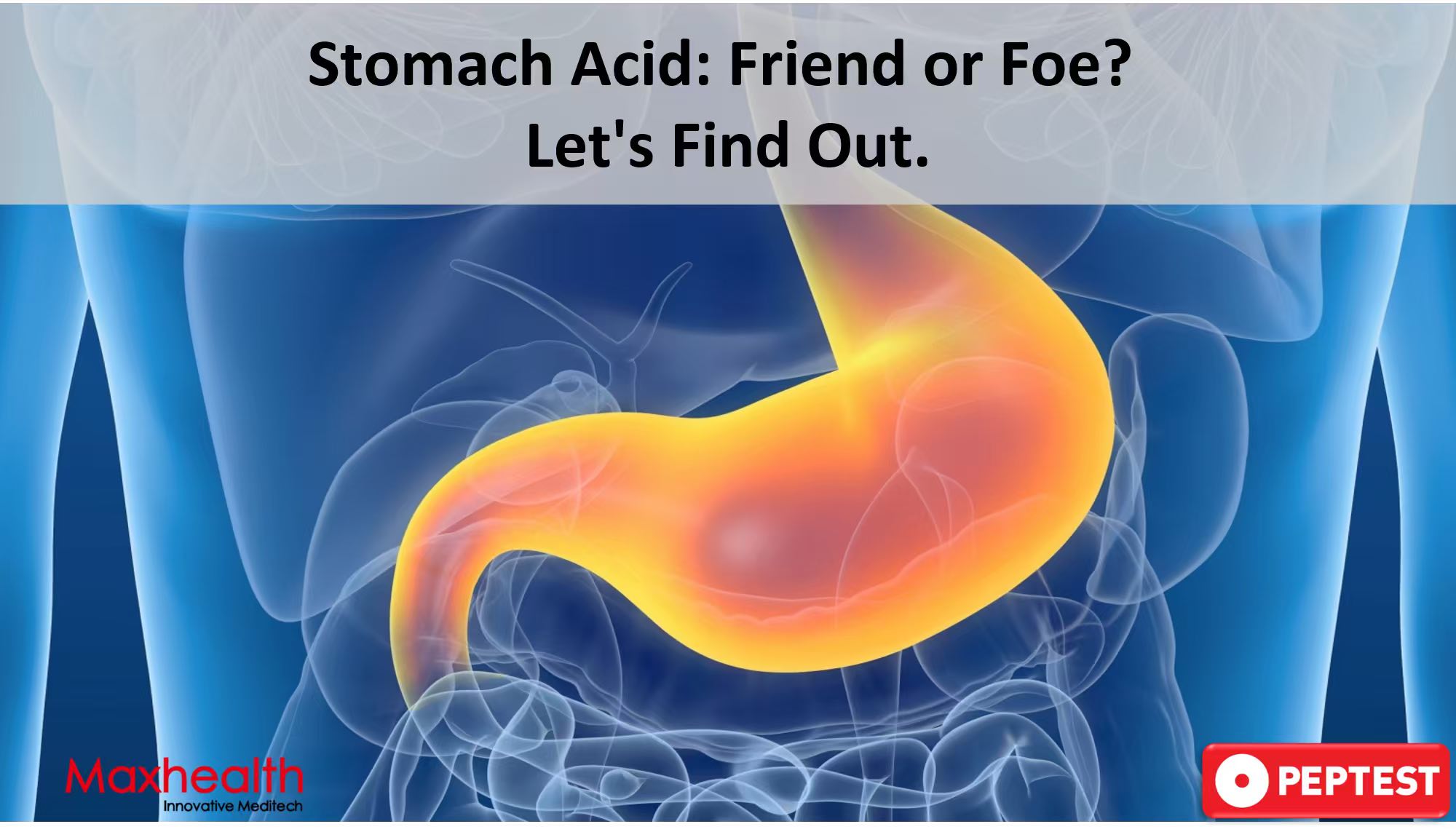
We often hear about the perils of "acid reflux," casting stomach acid as the villain. But in its proper place, gastric acid is an indispensable hero for our health. Let's explore its dual nature.
What Exactly is Stomach Acid
Stomach acid, primarily hydrochloric acid secreted in gastric juice, is continuously produced by the stomach. Secretion kicks into gear when food arrives. An empty stomach has a near-neutral pH of 7.0–7.2, but when digesting a meal, the pH plummets to a potent 2–3. While highly corrosive, a healthy stomach lining provides robust protection, allowing this acid to work its essential magic without harming us.
The Crucial Roles of Stomach Acid
Far from being a foe, stomach acid is fundamental to our well-being:
1. Digests Food: It breaks down solid food into a semi-fluid mass called chyme. This chyme then moves to the small intestine, where nutrients are efficiently absorbed.
2. Activates Enzymes & Aids Fat Digestion: Stomach acid converts the inactive pepsinogen into its active form, pepsin—a key digestive enzyme—and provides the ideal acidic environment for it to work. Furthermore, when acidic chyme enters the small intestine, it stimulates the release of bile, which is crucial for digesting and absorbing fats.
3. Defends Against Pathogens: It serves as a critical first line of defense, killing many harmful bacteria, fungi, and parasites we might ingest, thereby preventing infections.
A Double-Edged Sword: Imbalance Leads to Trouble
Problems arise when the delicate balance of acid production is disrupted, leading to either deficiency or excess.
The Problem of Low Stomach Acid
Insufficient acid impairs digestion and the body's natural antimicrobial barrier. This can lead to:
• Impaired nutrient absorption.
• Increased risk of intestinal infections.
• Symptoms like bloating, indigestion, and discomfort, often seen in conditions like chronic atrophic gastritis.
Dietary Tips for Low Acid
Eat smaller, more frequent meals with soft, easy-to-digest foods. Incorporate fruits like apples, strawberries, oranges, or hawthorn berries, which may naturally stimulate gastric juice secretion.
The Problem of High Stomach Acid & Acid Reflux
Excessive acid or its escape into the esophagus causes classic symptoms like heartburn, regurgitation, and stomach pain. It is associated with:
• Gastroesophageal Reflux Disease (GERD)
• Peptic ulcers (gastric or duodenal)
• Gastritis
Management Tips for High Acid / Reflux
1. Avoid trigger foods (spicy, fatty, acidic).
2. Don't lie down immediately after eating.
3. Eat regular meals slowly and chew thoroughly.
4. Consider sleeping on your left side to reduce nighttime reflux.
5. Try bland snacks like plain crackers if needed.
6. Crucially, avoid long-term self-medication. Always consult a doctor for proper diagnosis and treatment.
Your stomach is remarkably resilient yet sensitive. Its comfort is fundamental to your overall well-being. While mild issues may be managed with lifestyle adjustments, persistent symptoms like chronic indigestion, heartburn, or suspected GERD require professional medical attention.
Seeking Clarity?
Accurate diagnosis is key. For symptoms like chronic cough or heartburn linked to acid reflux, modern, non-invasive tests like saliva pepsin checks (e.g., PEPFAST) offer a quick and simple way for doctors to confirm if stomach acid is the culprit, guiding effective treatment.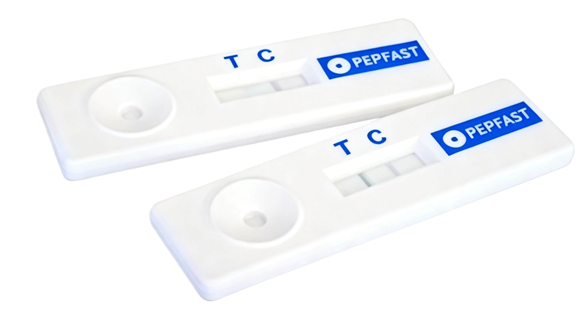



Copyright @ 2026 Maxhealth Innovative Meditech (Wuxi) Ltd All Rights Reserved.  Network Supported
Leave A Message