
What Are You Looking For?

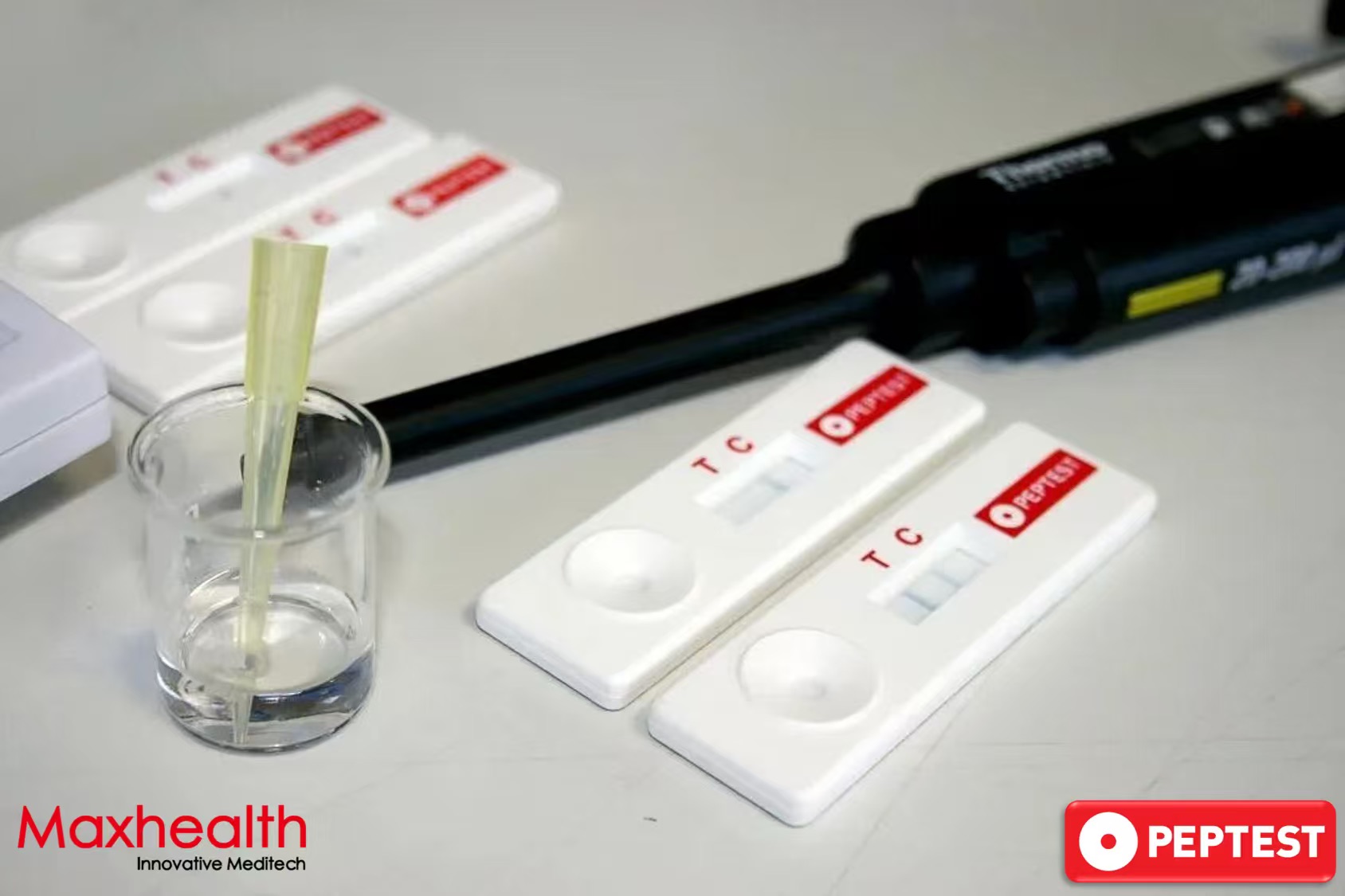
For years, diagnosing laryngopharyngeal reflux (LPR)—often called silent reflux—has been a challenge. Symptoms such as chronic cough, hoarseness, throat clearing, and a sensation of a lump in the throat can overlap with allergies, sinusitis, or voice disorders. Traditional diagnostic methods, including flexible laryngoscopy and 24‑hour multichannel intraluminal impedance-pH monitoring, are invasive, time‑consuming, and not always accessible in routine clinical settings.
That is why a growing number of medical professionals are turning to Peptest, a simple, non‑invasive saliva test that detects pepsin—a direct biomarker of gastric reflux. Peptest is now used in hospitals and clinics across multiple specialties, providing objective evidence to support diagnosis and treatment decisions.
What the Research Shows
Multiple clinical studies have validated Peptest as a reliable screening tool for reflux disease. A study published in the Journal of Clinical Medicine evaluated Peptest in patients with suspected LPR and found that it demonstrated 100% specificity in detecting the condition, outperforming non‑invasive methods such as the Reflux Symptom Index (RSI) and Reflux Finding Score (RFS). The researchers concluded that a positive Peptest result is “highly supportive of a pathological LPR diagnosis” and noted its value as a screening test for physicians who cannot visualize the larynx, particularly in the context of COVID‑safe, non‑invasive procedures [1].
In China, a large multicenter study published in the Journal of Digestive Diseases further validated Peptest’s clinical utility. The study enrolled 1032 participants across nine hospitals in Shanghai and Beijing, including 488 patients with non‑erosive reflux disease (NERD), 221 with erosive esophagitis (EE), and 323 healthy controls. The results showed an overall pepsin‑positive sensitivity of 85% [2]. The study concluded that Peptest provides a rapid, non‑invasive alternative to traditional diagnostic methods and improves the accuracy of reflux diagnosis, particularly in a population where reflux disease has been underdiagnosed due to a lack of effective objective tests [2].
Together, these studies demonstrate that Peptest is a valuable tool across different populations and clinical settings, offering a simple, painless way to confirm or rule out reflux.
Which Specialties Can Benefit from Peptest?
Peptest is designed to support clinicians across a range of disciplines where reflux plays a hidden but significant role.
1. Ear, Nose and Throat (ENT) Specialists
ENT clinicians regularly see patients with hoarseness, globus sensation, throat clearing, and chronic cough—all potential signs of LPR. Peptest offers a quick, objective way to confirm reflux as the underlying cause, helping to differentiate it from other laryngeal conditions.
2. Gastroenterologists
For gastroenterologists managing patients with gastro‑esophageal reflux disease (GERD), Peptest provides a non‑invasive tool to assess whether reflux is reaching the upper airway. It can also be used to monitor treatment response in patients with persistent symptoms despite acid suppression.
3. General Practitioners (GPs) and Primary Care
GPs are often the first point of contact for patients with reflux symptoms. With Peptest, they can obtain objective evidence early, guiding appropriate referrals and avoiding unnecessary or prolonged use of acid‑suppressing medication before a confirmed diagnosis.
4. Pulmonologists and Chest Physicians
Chronic cough is a common extra‑esophageal manifestation of reflux. Peptest helps pulmonologists identify reflux as a contributor to persistent cough, potentially reducing unnecessary investigations for other causes.
5. Allergists
Symptoms such as throat irritation and post‑nasal drip can mimic allergies. Peptest enables allergists to rule out reflux when the diagnosis is uncertain, or to identify it as a coexisting condition requiring separate management.
Peptest in China: A Trusted Solution Since 2019
Peptest was first developed in the UK and has been used clinically for over 15 years. In 2019, it received NMPA registration, marking a significant step in making non‑invasive reflux testing accessible to Chinese patients and clinicians.
Maxhealth Innovative Meditech serves as the exclusive distributor of Peptest in China, working closely with hospitals and healthcare providers to integrate this innovative diagnostic tool into routine practice. To learn more about the launch and our ongoing commitment to reflux care, read our company news here.
Why Early Diagnosis Matters
An early, objective diagnosis of reflux opens the door to targeted management—whether that involves lifestyle modification, dietary changes, physical barrier therapies such as alginates, or, where appropriate, acid suppression. Peptest can also be used after treatment to assess whether reflux has been successfully controlled, providing a valuable endpoint that goes beyond symptom reporting [1].
For patients, the benefits are clear: a painless test that delivers clear answers. For clinicians, Peptest offers a practical, evidence‑based tool that fits seamlessly into modern practice.
❓Frequently Asked Questions
1. How accurate is Peptest for detecting LPR?
In a published study, Peptest demonstrated 100% specificity in a group of patients with suspected LPR [1]. A large Chinese multicenter study reported an overall sensitivity of 85% for detecting GERD [2].
2. Is Peptest available in China?
Yes. Peptest received NMPA registration in 2019 and is distributed exclusively by Maxhealth. It is used in hospitals and clinics across the country.
3. Can Peptest be used to monitor treatment?
Yes. Peptest can be repeated during or after treatment to provide objective evidence of whether reflux is adequately controlled [1].
4. How does Peptest compare to endoscopy or pH monitoring?
Peptest is non‑invasive, requires no special equipment or lengthy procedures, and detects the presence of pepsin—a direct biomarker of reflux. It complements traditional methods by offering a simple, patient‑friendly screening option.
References
1. Kucova I, et al. (2021). The Diagnostic Value of the Peptest in Detecting Laryngopharyngeal Reflux. Journal of Clinical Medicine, 10(16):3621.
2. Wang YF, Yang CQ, Chen YX, et al. (2019). Validation in China of a non‑invasive salivary pepsin biomarker containing two unique human pepsin monoclonal antibodies to diagnose gastroesophageal reflux disease. Journal of Digestive Diseases, 20(6):278-287.
Medical Review by: Prof. Peter Dettmar, world‑renowned expert in reflux disease and the original developer of pepsin detection technology.



Copyright @ 2026 Maxhealth Innovative Meditech (Wuxi) Ltd All Rights Reserved.  Network Supported
Leave A Message